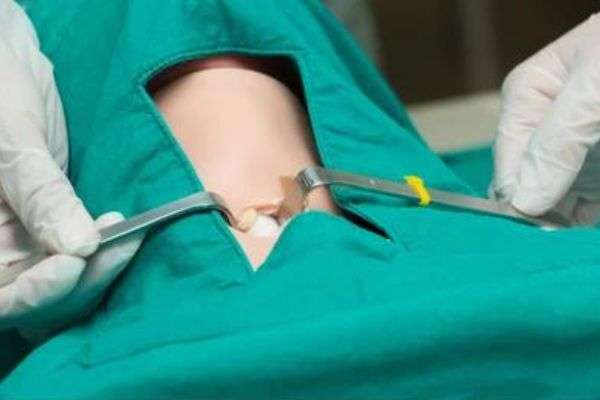
Throat Surgery: Conditions and Treatment
Throat surgery involves various medical or surgical procedures aimed at the throat and its surrounding areas. Depending on what the patient is dealing with, the surgery can be straightforward—like taking out enlarged tonsils—or more complicated, such as addressing cancer in the larynx or pharynx.
Types of Throat Surgery
- Tonsillectomy – Removal of infected or enlarged tonsils.
- Adenoidectomy – Removal of adenoids causing breathing or ear problems.
- Microlaryngeal Surgery – For vocal cord nodules, polyps, or cysts.
- Uvulopalatopharyngoplasty (UPPP) – To treat obstructive sleep apnea.
- Endoscopic Surgery – Minimally invasive treatment for growths or tumors.
- Laryngectomy or Pharyngectomy – Major surgeries for throat cancer management.
When Is Throat Surgery Needed?
- Recurrent tonsillitis or adenoid infections
- Persistent hoarseness or vocal cord issues
- Obstructive sleep apnea due to throat blockage
- Benign or malignant growths in the throat, larynx, or pharynx
- Trauma or injury requiring reconstructive surgery
Recovery and Aftercare
The recovery journey really hinges on the kind of throat surgery you’ve had:
- For minor procedures, such as a tonsillectomy, you can expect to take about 1 to 2 weeks to rest and recover.
- On the other hand, major surgeries such as a laryngectomy might require a longer recovery period, often involving some speech or swallowing therapy.
Here are some general aftercare tips to keep in mind:
- Stick to soft foods and make sure you’re drinking plenty of fluids.
- It is best to steer clear of smoking, alcohol, and any irritants.
- Don’t forget to take your prescribed pain relievers and antibiotics.
- And remember, regular follow-up appointments with your ENT surgeon are important!