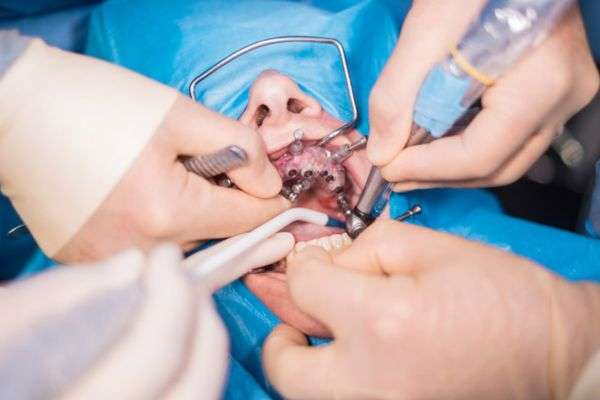
Oral Cavity Surgery: Conditions, Symptoms, and Recovery
Oral cavity surgery is a specialized field that focuses on treating issues related to the mouth, tongue, gums, palate, and inner cheeks. Since the oral cavity is essential for chewing, swallowing, breathing, and speaking, any problems in this area can significantly affect daily life.
This type of surgery is performed for various reasons, including the removal of benign growths, treatment of infections, management of oral cancer, and reconstruction of damaged tissues. Thanks to advancements in medical technology, modern surgical techniques are now more precise, less invasive, and prioritize both function and appearance.
When Is Oral Cavity Surgery Required?
Surgery is typically suggested when more conservative treatments, like medication or minor procedures, just aren’t cutting it. Here are some common conditions that might lead to surgery in the oral cavity:
- Oral Cancer: When cancers affect the tongue, gums, palate, or lips, surgical removal is often necessary. In more advanced cases, doctors may also remove lymph nodes in the neck to stop the cancer from spreading.
- Benign Tumors and Growths: These are non-cancerous lumps or cysts that can cause discomfort, make chewing difficult, or create cosmetic concerns.
- Precancerous Lesions: Look out for white or red patches (like leukoplakia or erythroplakia) that could potentially develop into cancer.
- Infections and Abscesses: If severe infections aren’t responding to antibiotics, surgical drainage might be required.
- Congenital or Structural Issues: Conditions such as cleft palate or tongue-tie can interfere with speech and feeding, often necessitating surgical intervention.
- Trauma: Injuries to the mouth or jaw that need reconstructive surgery are also a reason for surgical procedures.
Symptoms That Shouldn’t Be Ignored
- Non-healing ulcers or mouth sores
- Persistent pain, swelling, or bleeding
- Difficulty swallowing or speaking
- Unexplained lumps in the mouth or neck
- White or red patches inside the mouth
Recovery and Aftercare
Recovery after oral cavity surgery can really vary based on what kind of procedure you had and how extensive it was. For minor surgeries, you might be back on your feet in just a few days, but if you’ve undergone a complex cancer surgery, it could take weeks of rehabilitation to fully recover.
Post-Surgery Care Includes:
- Pain and Swelling Control- Using medications and cold compresses can really help ease any discomfort you might feel.
- Speech and Swallowing Therapy- If your surgery involved the tongue, jaw, or palate, you might need some rehabilitation with a speech therapist to get back on track.
- Oral Hygiene-
- To prevent infection, it’s important to use antiseptic mouth rinses and clean your mouth gently.
- Steering clear of tobacco and alcohol is also crucial for a smooth recovery.
- Regular Follow-Ups- Keeping up with regular check-ups is vital, especially for cancer patients, to monitor for any signs of recurrence.
- Dietary Adjustments-
- At first, a soft or liquid diet is usually recommended to make eating easier.
- Nutritionists can also help patients make sure they’re getting enough calories while they heal.