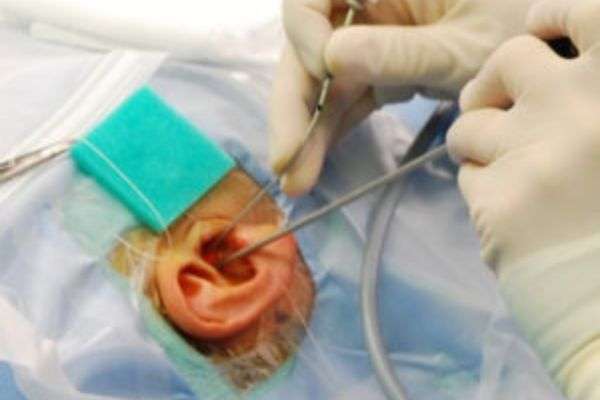
Expert Ear Surgery for Lasting Hearing and Ear Health
Ear surgery is a specialized area within ENT treatment that focuses on issues affecting the outer, middle, or inner ear. This type of surgery is essential for restoring hearing, addressing chronic infections, repairing structural damage, and enhancing overall ear health. For many patients, undergoing ear surgery not only alleviates discomfort but also greatly improves their quality of life.
Common Reasons for Ear Surgery
- Chronic Ear Infections: When ear infections keep coming back, they can harm the eardrum or middle ear, sometimes needing surgery to fix things up.
- Hearing Loss: If there are structural issues in the middle ear, it might make hearing difficult, and surgery could be necessary to correct it.
- Eardrum Perforation: Injuries or infections can create holes in the eardrum, which often need surgical repair to close up.
- Otosclerosis: This condition involves unusual bone growth that impacts hearing, and it’s frequently treated with a surgery called stapedectomy.
- Cholesteatoma: This is an abnormal growth of skin in the middle ear that can cause damage to nearby structures.
- Cosmetic or Reconstructive Needs: Procedures like otoplasty are designed to reshape or repair the outer ear.
Types of Ear Surgery
Myringoplasty
A procedure to repair a perforated eardrum.
Helps restore hearing and prevent recurrent infections.
Tympanoplasty
Repairs the eardrum and small bones in the middle ear.
Often performed after repeated infections or injuries.
Mastoidectomy
Removes infected air cells in the mastoid bone (behind the ear).
Usually recommended for chronic infections or cholesteatoma.
Stapedectomy
Used to treat otosclerosis by replacing the stapes bone with a prosthesis.
Improves hearing in patients with conductive hearing loss.
Otoplasty
A cosmetic procedure to reshape or reposition the outer ear.
Often performed for children or adults with prominent or misshapen ears.
Cochlear Implants
For patients with severe sensorineural hearing loss.
An electronic device is implanted to stimulate the auditory nerve, improving sound perception.
Recovery and Aftercare
What Patients Can Expect After Ear Surgery
- Hospital Stay: While many surgeries are performed on an outpatient basis, some might require a brief hospital stay.
- Pain Management: It’s normal to feel some mild discomfort, which can be managed with medication.
- Ear Care: Keeping your ear dry and clean is essential during the recovery process.
- Temporary Hearing Changes: Some patients may notice muffled hearing until their ear has completely healed.
- Follow-Up Visits: Regular check-ups are important to ensure proper healing and to remove any dressings or sutures.
Tips for a Smooth Recovery
- Avoid forcefully blowing your nose or putting pressure on your ear.
- Stay away from swimming or getting water in your ear until your doctor gives you the green light.
- Make sure to follow all prescribed medications and post-surgery instructions closely.
- If you notice any unusual symptoms like dizziness, severe pain, or discharge, contact your ENT specialist right away.