
Pediatric ENT Care: Why Your Child Might Need an Ear Doctor in Ahmedabad
Introduction
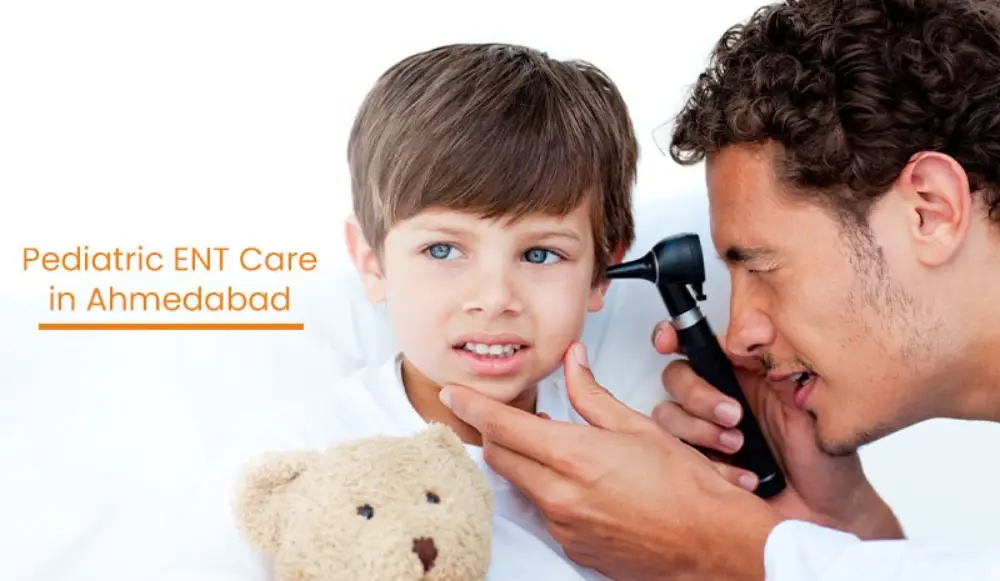
Ear, nose, and throat (ENT) problems usually trouble children and impact their lifestyles, ranging from chronic ear infections to hearing loss. If your child is suffering from any of such conditions, visiting a Pediatric ENT Care specialist in Ahmedabad is most likely to get the right diagnosis and treatment. When, then, should you book an appointment to meet an ENT specialist for your child? Let us take a few common signs and conditions for which you need expert advice.
Understanding Pediatric ENT Issues
- Repeated Ear Infections
- Speech Delays or Hearing Loss
If your child is having trouble hearing, it can impact his or her speech development and learning. Pediatric ENT physicians can conduct hearing tests to determine if there is any underlying issue. Early intervention can make a huge difference in your child’s communication.
- Enlarged Adenoids and Tonsils
- Chronic Sinus Problems
If the child has a chronically stuffy or runny nose, frequent sinus infections, or trouble breathing through the nose, they may require referral to a specialist for an ENT evaluation.
- Dizziness and Balance
Disorders Kids suffering from dizziness, staggering, or vertigo may have an inner ear problem. A pediatric ENT specialist can diagnose and treat balance disorders effectively.
When Should You See an Ear Doctor in Ahmedabad?
Some minor ENT problems resolve on their own, but if your child experiences any of the following, you should consider seeing a specialist:
- Frequent ear infections (more than three in six months)
- Hearing difficulties or delayed speech development
- Recurring sore throats or tonsillitis
- Nasal congestion lasting over 10 days
- Persistent snoring or breathing issues during sleep
- Unexplained dizziness or balance problems
- Chronic sinus infections
Diagnosis and Treatment Options
When you go for a visit at a pediatric ENT specialist, the following tests could be done:
- Physical Examination: Inspecting ears, nose, and throat for infections or abnormalities.
- Hearing Tests: Audiometry or tympanometry tests for testing hearing capability.
- Allergy Testing: When sinus problems might be caused due to allergy.
- Endoscopic Examination: A narrow tube could be used to look at nasal airways and structures in the throat.
- Imaging (X-ray/CT Scan): For extreme cases, imaging can be done for an in-depth diagnosis.
Treatment can range from one condition to another and can be as follows:
- Antibiotics for bacterial infection
- Nasal sprays or antihistamines for allergies
- Speech therapy for speech delays due to hearing issues
- Myringotomy (placement of an ear tube) for recurring ear infections
- Surgery (such as tonsillectomy, adenoidectomy) if needed
Preventing ENT Issues in Children
Although some ENT conditions cannot be avoided, you can take precautions to minimize risks:
- Practice good hygiene: Educate kids to wash their hands to avoid infections.
- Stay current on vaccinations: Vaccines such as the flu vaccine and pneumococcal vaccine can prevent ear infections.
- Track allergies: Recognize and treat any allergens that are triggering nasal congestion or sinus problems.
- Stay away from secondhand smoke: It may raise the risk for ear infections and respiratory complications.
- Restrict exposure to loud sounds: Repeated exposure to loud sounds can harm hearing over time.